When it comes to websites in 2025, we think it was the year of experimentation. The year we all asked "what can AI do?”. 2026 will be the year of reckoning. We’re moving past the hype and into a period of mature pragmatism.
The focus is no longer just about shiny new tools. It’s about how we can integrate those tools into the bedrock of user experience (UX) to deliver real results.
When we think of website design, we must also think about the user experience. The trends we will see in 2026 will be about how we can get a potential customer to interact with our brand more.
Here are the top 4 website design and experience trends to watch out for in 2026.
1. Fluid and spatial immersion
Much like the split aesthetic we see on social media, 2026 will see an equal blend of high-end corporate polish and raw, human expression on the web.
Liquid glass (aka glass-morphism)
The "flat design" era, characterised by minimalist typography and stark colours, is officially in the rearview mirror. It is being replaced by liquid glass, also known as glass-morphism, a visually stunning aesthetic driven by powerful graphic hardware that mimics real-world physics.
How it looks: Elements distort the background like real glass; think Apple's new visual direction.
Why it works: It creates depth, helping users manage information density by "frosting" out background distractions so they can focus on the task at hand. This does pose potential accessibility issues, so keep this in mind.
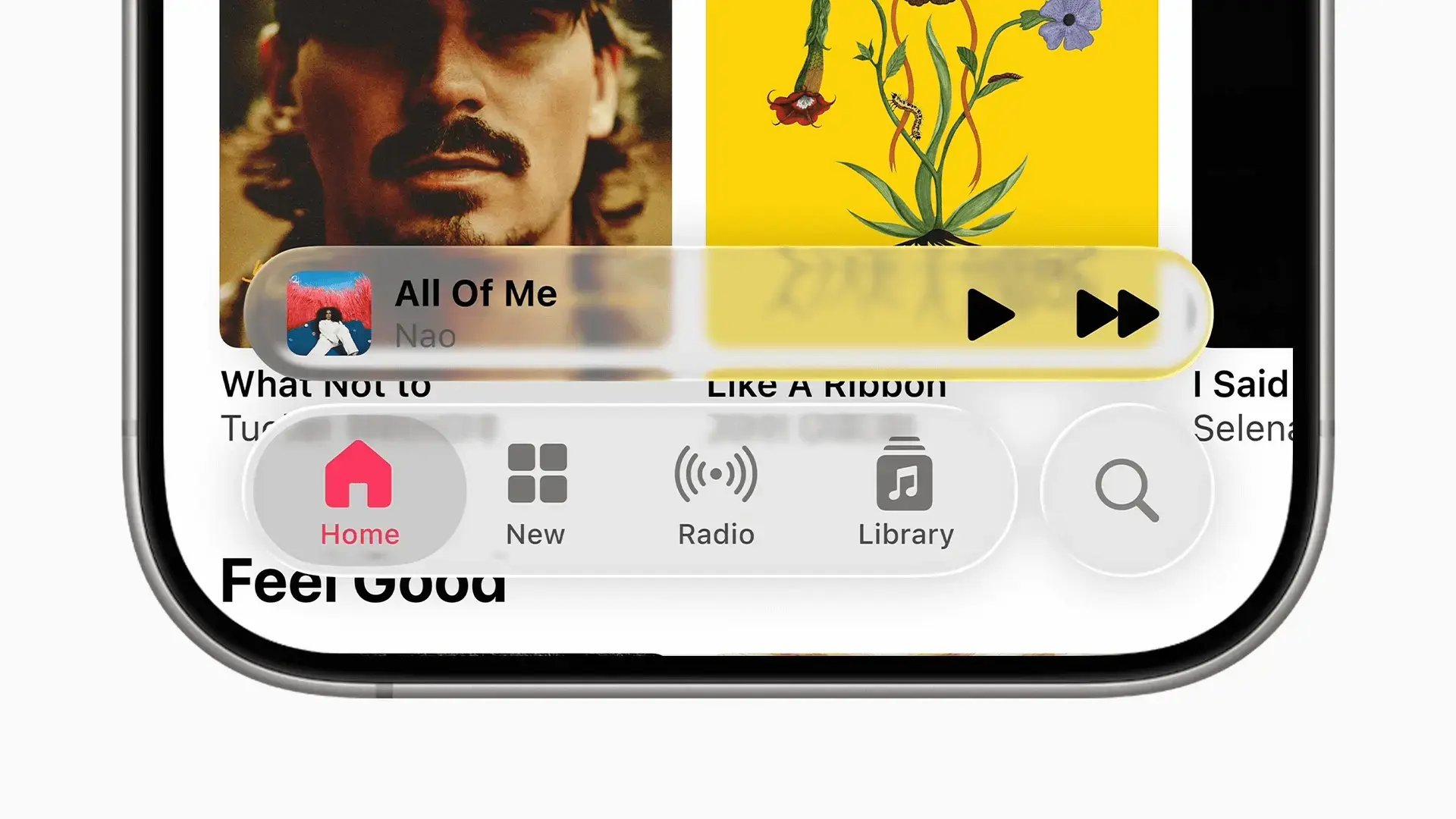 Liquid glass on iPhone as part of their new software design suite
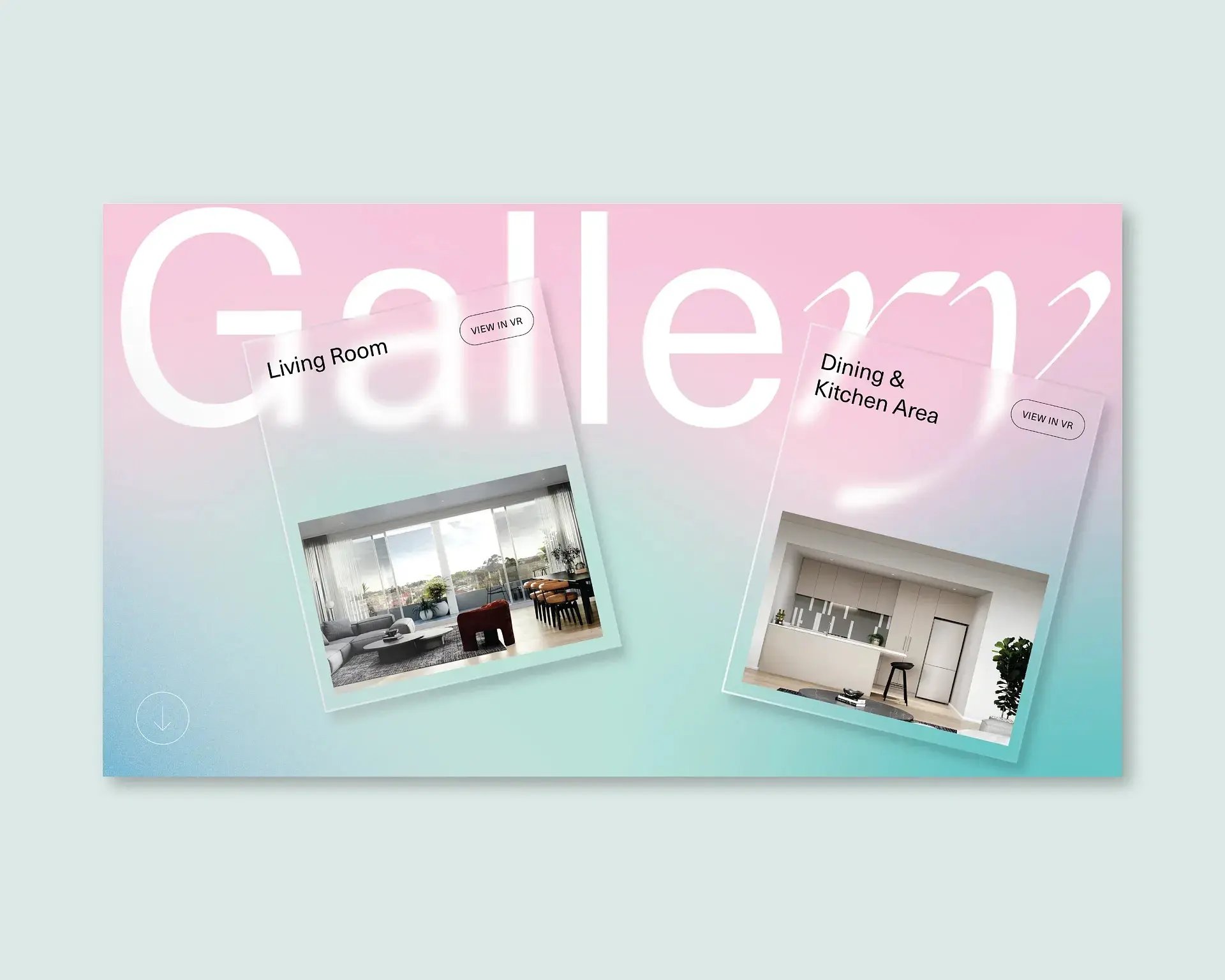 A website design using liquid glass elements by Pin Shen via Dribbble
Spatial design
We are abandoning the concept of the screen as a flat canvas. Websites will offer navigating through content stacks (whether it be with parallax, 3D-models, or animation) rather than simple scrolling up and down a single plane. This trend is particularly effective for showcasing products (but not limited to), mimicking tactility with UI (user interface) that treats your screen as a dynamic window into a 3D environment.
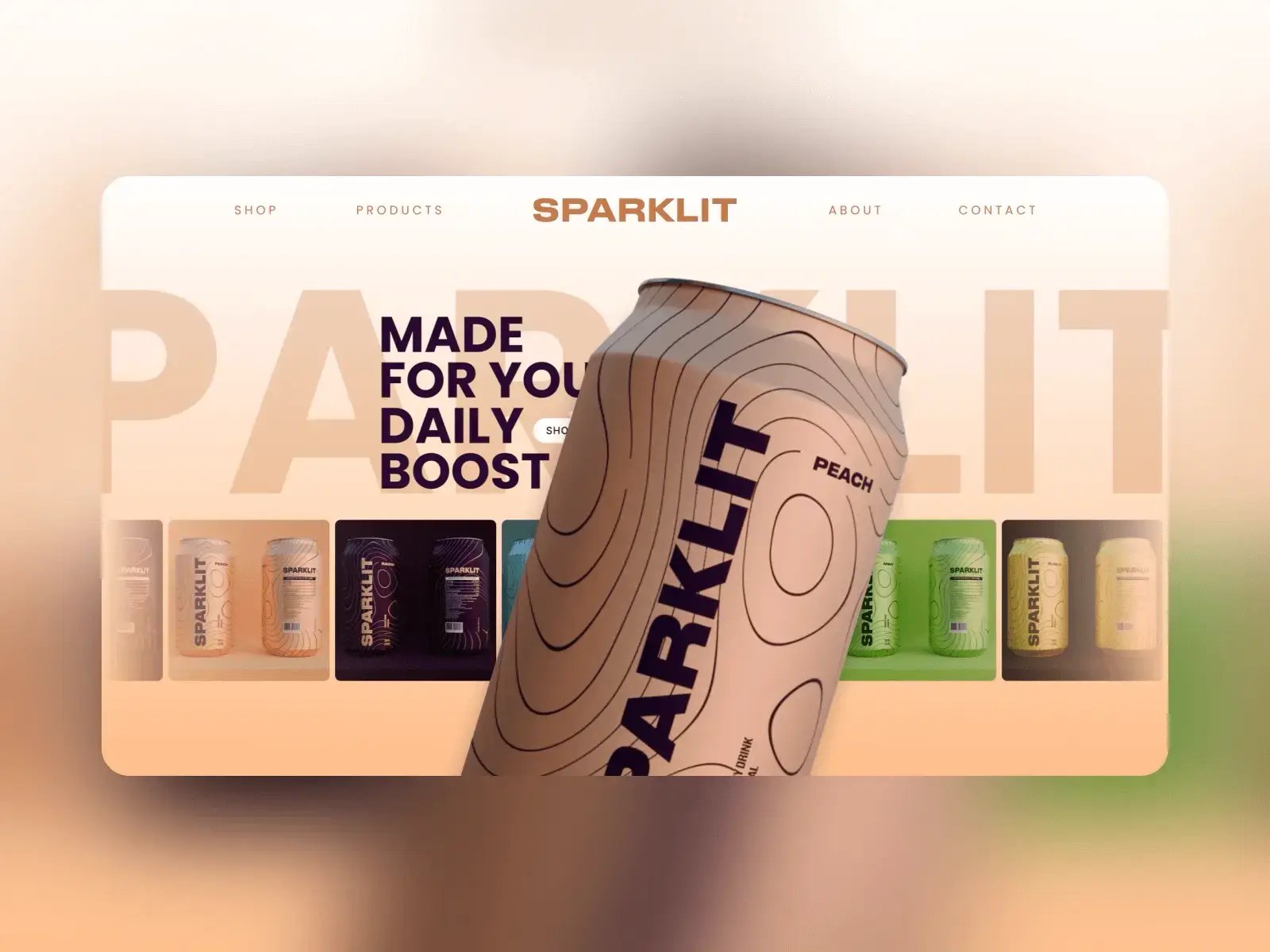 Website design by Deyae Cherkaoui via Dribbble
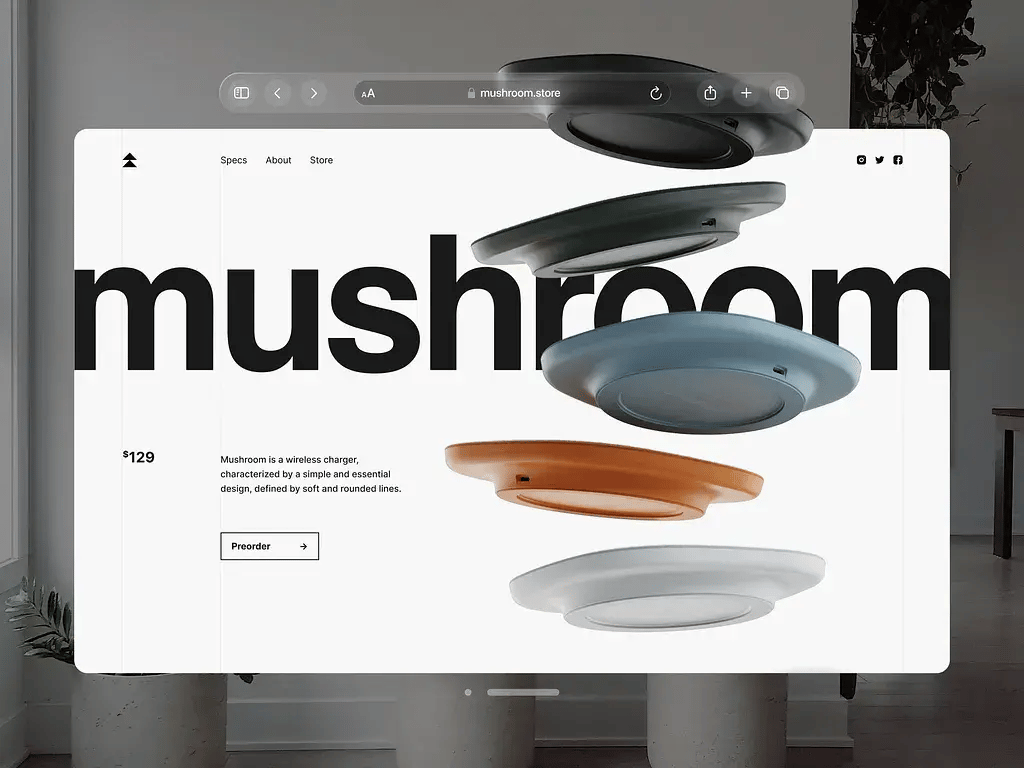 An exploration of spatial website design for Apple Vision Pro by Shakuro

2. Simple and raw
The counter-trend to fluid polish is a deliberate move towards a raw, human and disruptive aesthetic. The neo-brutalism trend is particularly dominant in the Creator Economy where independent creators build audiences and monetise content online. You’ll also find it in the platforms targeting Gen Z.
Neo-brutalism
This movement rejects corporate sterility in favour of raw, expressive and intentionally "naive" aesthetics.
How it looks: Elements will feature high contrast and bright colours, thick lines and geometric shapes, stark drop shadows, and bold typography.
Why this works: It creates personality and adds a distinct "human" touch to the digital experience. These "imperfect" styles signal authenticity and build an immediate emotional connection with the user.
It has splintered into sub-genres that prioritise vibe and emotional connection over traditional usability rules of thumb:
Cute-alism
This blends the harsh, utilitarian layouts of brutalism (heavy borders, default fonts, stark contrasts) with cute elements like stickers, pastel tones, and playful iconography. It creates a powerful tension between rigid structure and soft approachability.
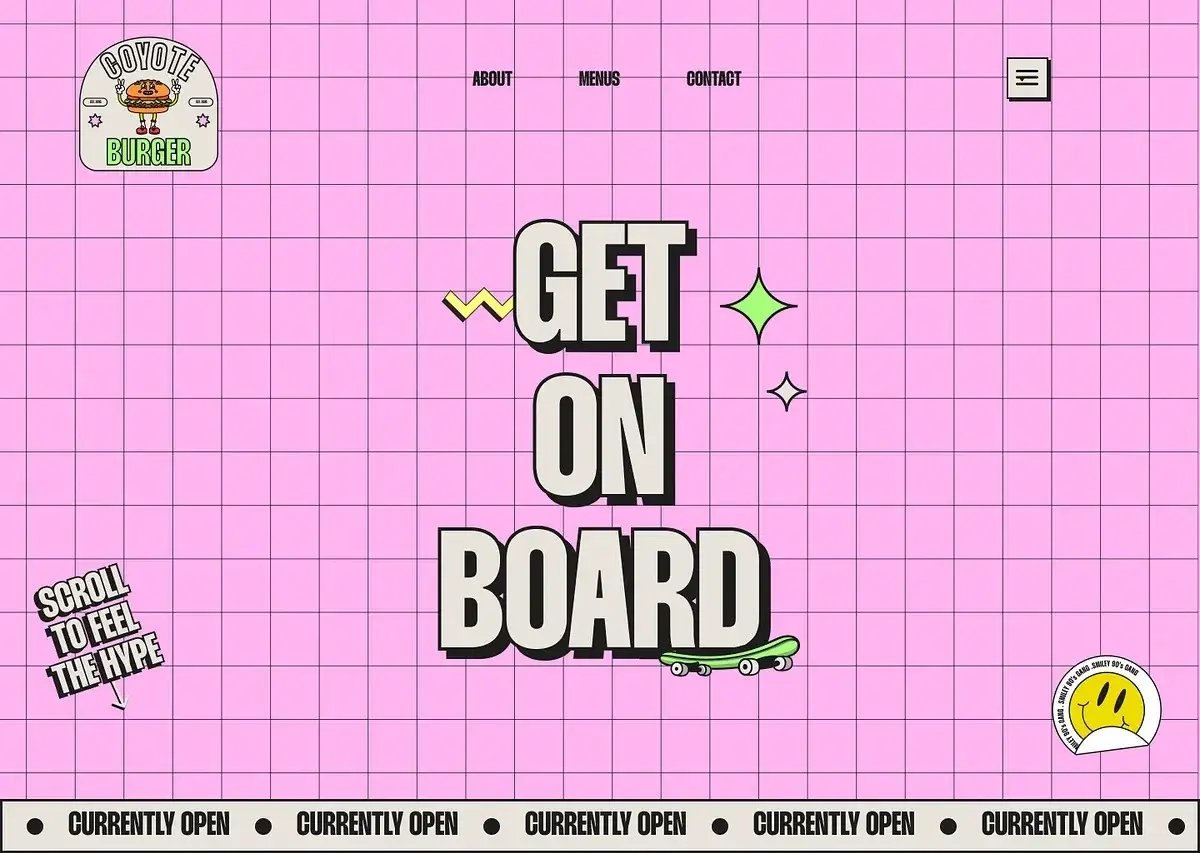 Website design by weare.wildstudio via Dribbble
Dial-up delight
Tapping into nostalgia for a web era that many of its users never actually experienced, this style utilises pixelated fonts, low-fidelity GIFs and chaotic layouts reminiscent of GeoCities or early 2000s interfaces.
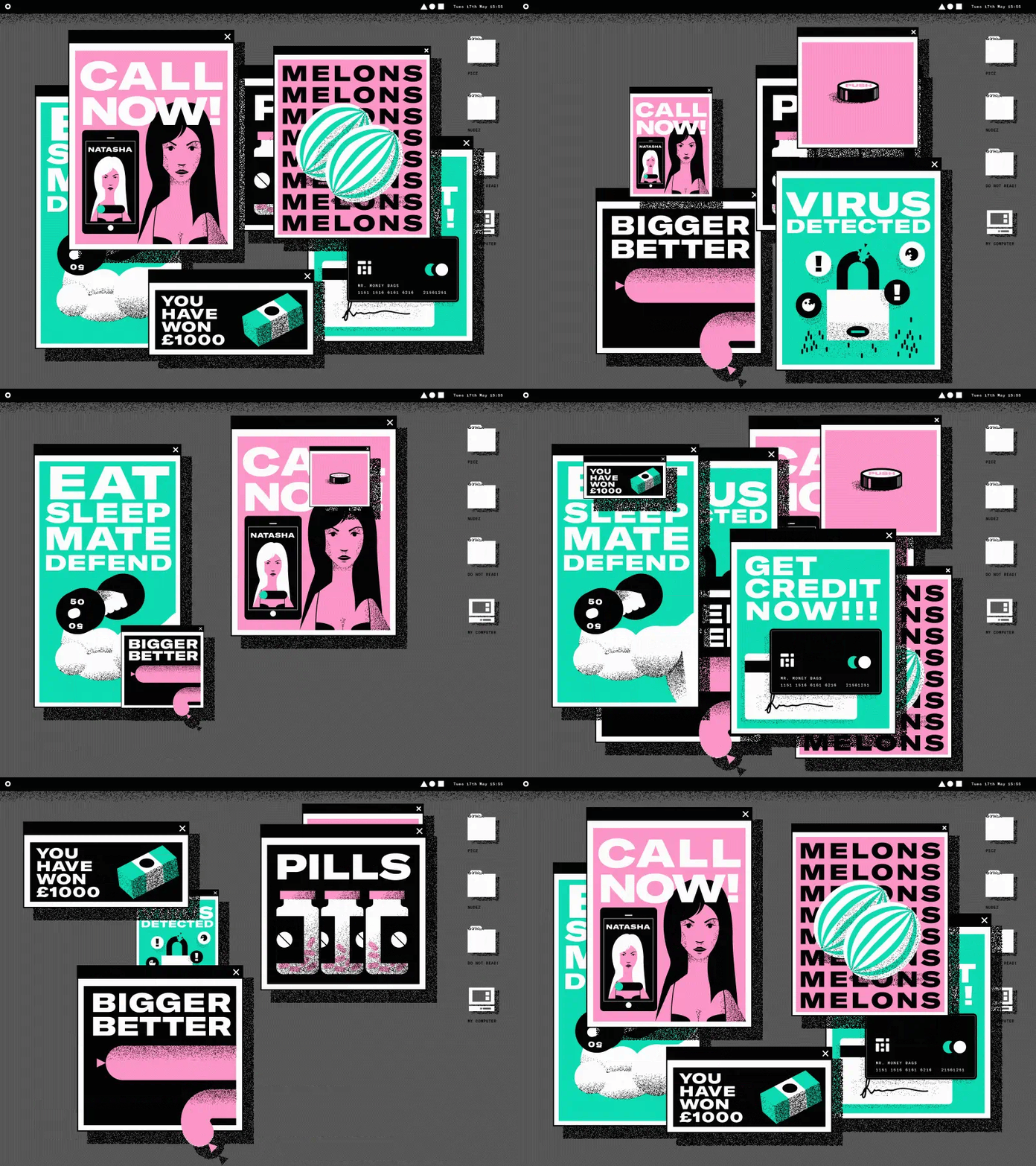 Website design by Mathew Lucas ✌︎ via Dribbble
Anti-grid layouts
A core design principle is breaking the grid. Elements overlap, drift, or sit at odd angles to create a sense of organic energy and disruption. This is a direct, human challenge to the orderliness of AI-generated content.
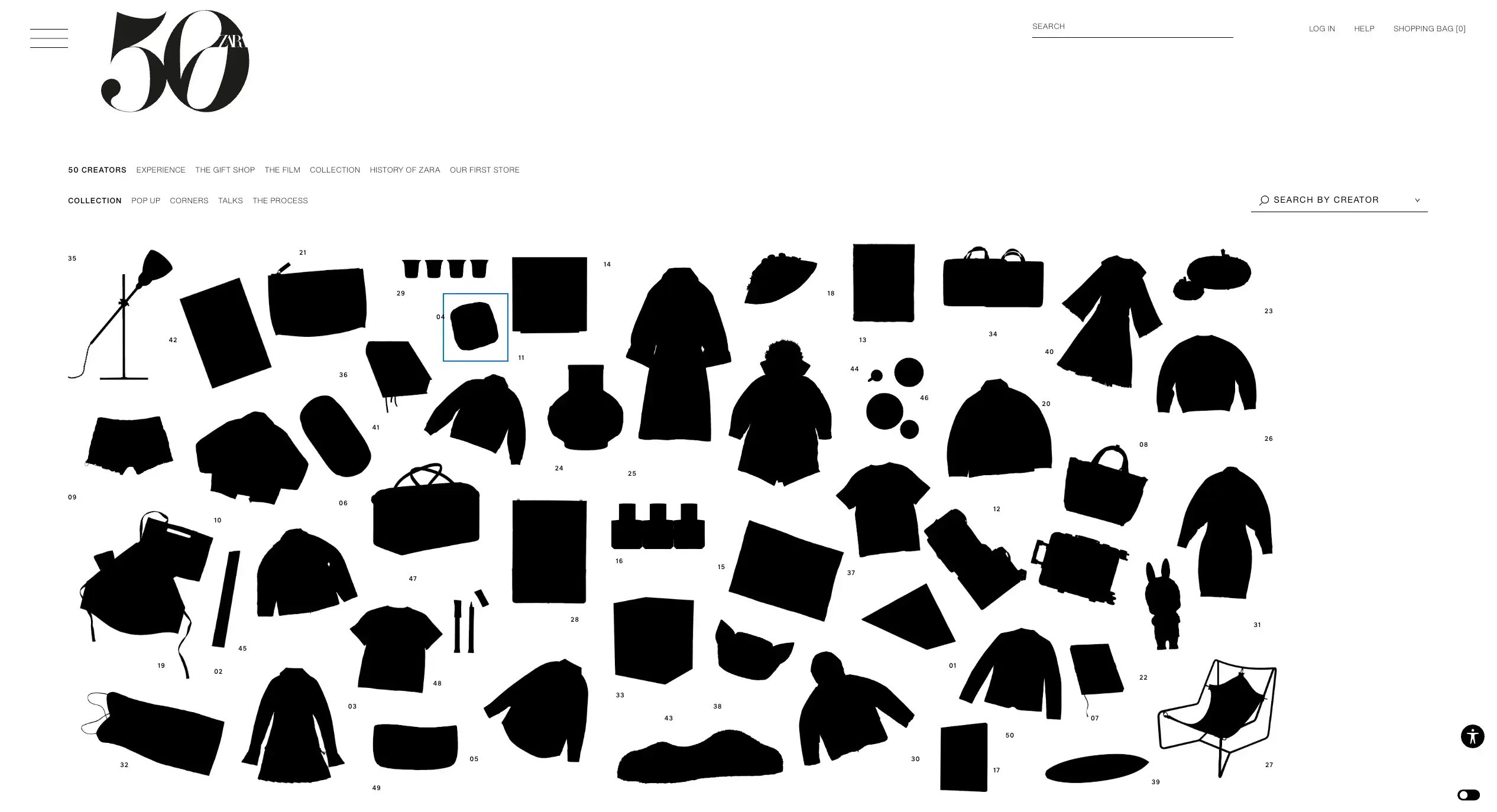 Zara using an anti-grid layout to showcase their collection for their 50th anniversary
3. Agentic UX and scrollytelling
The user’s interaction with your site is shifting from do-it-yourself to do-it-for-me. This will accelerate dramatically in 2026.
Agentic UX
We are seeing more and more people use agentic AI. These are systems that act on your behalf. For example, instead of you searching for flights online, an agent does the work and presents the final options.
The design challenge with this trend lies in building trust. Interfaces will feature confirmation handoffs, where the AI summarises its plan and asks the human to stamp it for approval.
We will also see static utility task dashboards becoming obsolete. Interfaces are now assembled dynamically by AI to suit the user's specific intent at that exact moment.
Scrollytelling
The passive scroll is dead. In 2026, scrolling is the primary driver of interaction.
As users scroll, elements don't just move up, they rotate, morph and assemble to tell a story.
Smart snapping is use to ensure key messages land. This is where the screen is gently locked onto critical scenes.
We will also see more immersive 3D experience to help the user know what the product does or how it looks. This type of experience has been found to drive up to 94% higher conversion rates by reducing purchasing anxiety.
4. Accessibility
In 2026, we will start to see the rise of the ethical web where accessibility drives everything we do. It’s no longer enough for a website to look nice. It must perform perfectly and be user-friendly for everyone.
Accessibility is now a technical requirement, with strict adherence to Web Content Accessibility Guidelines (WCAG 2.2) becoming the baseline expectation.
Key accessibility elements for 2026:
- Target size: Interactive elements must be at least 24x24 pixels to assist users with motor impairments.
- Outcome over checklist: With WCAG 3.0 on the horizon, we are moving from simple checklists to functional outcomes”, ensuring that even complex 3D interfaces are navigable for everyone.
Strategic shifts in your marketing in 2026
While design captures attention, these trends ensure your marketing engine is firing on all cylinders.
- Artificial intelligence optimisation (AIO): Welcome to the zero-click economy. Marketing strategies must now target buying agents. These are bots that research products for humans. We will need to optimise for these agents by providing machine-readable confidence via structured data (Schema) rather than just persuasive copy.
- Sustainability: Sustainability is now a core key performance indicator (KPI). The Green Web is coming. We are moving towards lightweight by default designs, operating under carbon budgets and loading heavy assets only when necessary. An added bonus?This dramatically improves your site's speed, boosting Google rankings while reducing environmental impact.
- Composable architecture: For larger brands, the monolithic website is fading. In We’re moving to a composable architecture or MACH (Microservices-based, API-first, Cloud-native and Headless). This allows you to manage content in one place and push it everywhere, from your site to mobile apps and in-store kiosks.
The website of 2026: Intelligent, immersive and built on integrity
At Refuel, we don’t just deal with how website looks, we delve into how it performs. Websites are no longer just static digital brochures, they are intelligent ecosystems that machines can read and humans can interact with.
Make sure you’re ready for what users and agents want in 2026. Whether you need a visual refresh or a full-scale digital makeover, our team is ready to help you accelerate in the new year, so get in touch.

.png)